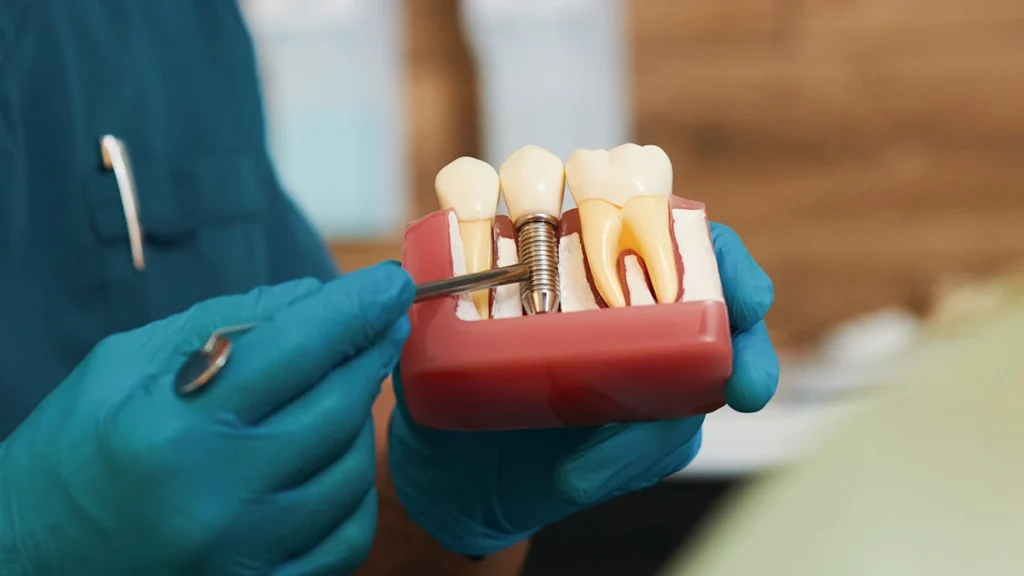
Dental Implant Planning Services are rapidly transforming modern restorative dentistry, offering clinicians a more precise, predictable, and patient-centered approach to implant placement. As digital workflows continue to evolve in 2026, these services have become essential for improving surgical accuracy, reducing chair time, and enhancing long-term outcomes. High-quality planning is no longer optional; it is the foundation of successful implant dentistry.
In today’s competitive clinical landscape, practices that integrate Dental Implant Planning Services benefit from advanced imaging, prosthetically driven design, and streamlined collaboration with dental laboratories. Providers like Dentek Digital play a crucial role in supporting clinicians with digital tools that elevate both precision and efficiency.
This guest post explores how Dental Implant Planning Services work, why they matter in 2026, and how they are reshaping implant dentistry for clinicians, labs, and patients alike.
What Are Dental Implant Planning Services?
Dental Implant Planning Services refer to the digital and clinical processes used to design and prepare implant placement before surgery. These services integrate advanced imaging, 3D modeling, and restorative planning to ensure implants are positioned accurately based on both anatomical and prosthetic requirements.
At their core, these services combine:
- CBCT (Cone Beam Computed Tomography) imaging for 3D bone analysis
- Intraoral scanning for precise digital impressions
- CAD/CAM technology for prosthetic design
- Virtual implant planning software for positioning accuracy
- Surgical guide fabrication for guided implant placement
By aligning surgical and restorative goals, Dental Implant Planning Services ensure that implants are placed with long-term function, aesthetics, and stability in mind.
Why Dental Implant Planning Services Matter in 2026
The importance of Dental Implant Planning Services has grown significantly as dentistry becomes more digital, data-driven, and patient-focused. In 2026, clinicians are expected to deliver faster treatment timelines while maintaining exceptional precision.
Key reasons these services matter today include:
1. Prosthetically Driven Outcomes
Modern implant dentistry is no longer just about placing implants in available bone. Instead, planning is guided by the final prosthetic outcome, ensuring optimal crown positioning, occlusion, and aesthetics.
2. Improved Diagnostic Accuracy
CBCT imaging allows clinicians to evaluate bone density, nerve positioning, and anatomical limitations in three dimensions, reducing surgical risks.
3. Reduced Surgical Complications
Pre-surgical planning minimizes unexpected findings during implantation, improving safety and predictability.
4. Enhanced Patient Communication
Digital simulations help patients visualize treatment outcomes, improving trust and case acceptance.
5. Efficiency in Clinical Workflow
By streamlining planning and reducing chair time, practices can treat more patients with greater consistency.
Dental Implant Planning Services are now a benchmark for high-quality implant dentistry, not an optional upgrade.
Core Components of Dental Implant Planning Services
Successful implant planning relies on multiple interconnected technologies and workflows.
CBCT Imaging and 3D Diagnostics
CBCT scans provide high-resolution, three-dimensional views of the jawbone. This allows clinicians to assess bone volume, detect pathology, and identify critical anatomical structures.
Intraoral Scanning
Digital impressions replace traditional molds, capturing accurate surface data of teeth and soft tissue. This data integrates seamlessly into implant planning software.
CAD/CAM Prosthetic Design
Computer-Aided Design and Manufacturing ensures that crowns, abutments, and bridges are designed with precision and consistency.
Virtual Implant Planning Software
Specialized software enables clinicians to position implants virtually before surgery, adjusting depth, angulation, and placement based on prosthetic needs.
Surgical Guide Fabrication
3D-printed surgical guides translate digital plans into real-world precision, ensuring implants are placed exactly as designed.
Together, these components form the backbone of modern Dental Implant Planning Services.
Benefits of Dental Implant Planning Services for Clinicians and Patients
The adoption of Dental Implant Planning Services provides measurable benefits across the entire treatment journey.
Clinical Benefits
- Higher surgical accuracy and predictability
- Reduced intraoperative risks
- Improved long-term implant success rates
- Streamlined interdisciplinary collaboration
Patient Benefits
- Shorter treatment times
- Less invasive procedures
- Improved aesthetic outcomes
- Greater confidence in treatment planning
Practice Benefits
- Increased case acceptance
- More efficient workflows
- Enhanced reputation for advanced care
- Reduced chairside adjustments
These advantages make digital planning an essential investment for forward-thinking dental practices.
Step-by-Step Workflow of Dental Implant Planning Services
Understanding the workflow helps clarify how digital planning integrates into clinical practice.
Step 1: Data Collection
CBCT scans and intraoral impressions are captured to create a complete digital model of the patient’s oral anatomy.
Step 2: Digital Integration
The imaging data is merged into implant planning software to create a unified 3D representation.
Step 3: Treatment Planning
Clinicians determine implant position based on bone structure, occlusion, and prosthetic requirements.
Step 4: Virtual Simulation
The implant placement is simulated digitally, allowing for adjustments before surgery.
Step 5: Surgical Guide Creation
A custom 3D-printed guide is fabricated to transfer the digital plan to the clinical setting.
Step 6: Guided Surgery
The implant is placed using the surgical guide, ensuring precision alignment with the preoperative plan.
This structured workflow is a defining feature of modern Dental Implant Planning Services.
Common Mistakes in Implant Planning (and How to Avoid Them)
Even with advanced technology, errors can occur if workflows are not properly managed.
Incomplete Data Collection
Missing or low-quality scans can compromise planning accuracy. Always ensure full arch coverage and high-resolution imaging.
Ignoring Prosthetic Goals
Focusing only on bone availability rather than final restoration leads to suboptimal outcomes.
Poor Software Integration
Disjointed systems can result in data loss or misalignment between scans and design files.
Overlooking Occlusion
Failure to consider bite dynamics can lead to implant overload or prosthetic failure.
Avoiding these mistakes ensures that Dental Implant Planning Services deliver maximum clinical value.
How Digital Dental Labs Enhance Implant Planning
Dental laboratories play a critical role in supporting clinicians with precise planning and execution. Modern labs provide not only fabrication services but also digital consultation and treatment planning support.
For example, Dentek Digital offers integrated digital workflows that assist clinicians in designing implant cases with greater predictability. By combining CAD/CAM expertise with advanced planning tools, labs help bridge the gap between surgical intent and restorative success.
Key contributions of digital labs include:
- Designing custom abutments and prosthetics
- Producing high-precision surgical guides
- Assisting with virtual implant planning
- Ensuring restorative compatibility with implant positioning
This collaboration strengthens the effectiveness of Dental Implant Planning Services across all stages of treatment.
Future Trends in Dental Implant Planning Services
As technology continues to advance, Dental Implant Planning Services are expected to become even more intelligent and automated.
AI-Assisted Implant Planning
Artificial intelligence will increasingly support clinicians by recommending optimal implant positions based on large datasets.
Real-Time Surgical Navigation
Dynamic navigation systems will provide live feedback during implant placement.
Fully Integrated Digital Ecosystems
CBCT, CAD/CAM, and practice management systems will become more seamlessly connected.
Enhanced Predictive Modeling
Future tools will simulate long-term outcomes, including bone remodeling and prosthetic wear.
These innovations will further improve accuracy, efficiency, and patient outcomes in implant dentistry.
Conclusion
Dental Implant Planning Services have become a cornerstone of modern implant dentistry, offering a level of precision and predictability that traditional methods cannot match. In 2026, their role continues to expand as digital workflows, AI tools, and advanced imaging technologies reshape clinical practice.
By integrating CBCT imaging, digital impressions, CAD/CAM design, and surgical guide fabrication, clinicians can achieve prosthetically driven outcomes with greater confidence. Partnering with experienced digital dental labs such as Dentek Digital further enhances treatment accuracy and workflow efficiency.
For dental professionals seeking to improve outcomes, streamline procedures, and deliver better patient experiences, Dental Implant Planning Services are no longer optional; they are essential to modern practice success.