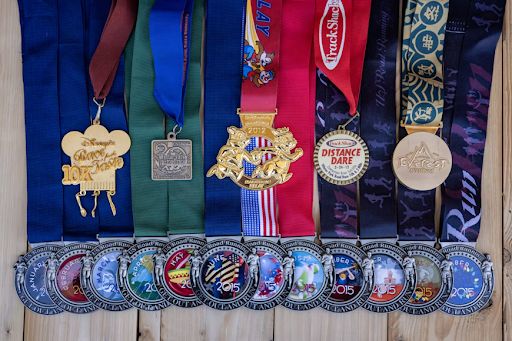
Choosing the right material and finish helps an award look meaningful, last through years of display, and reflect the event it celebrates. custom engraved medals suit school competitions, sports tournaments, employee recognition, anniversaries, and community events. Consider the design, intended use, budget, and impression you want recipients to remember.
1. Zinc Alloy for Detailed Designs
Zinc alloy is popular for custom engraved medals because it can form varied shapes, raised lettering, recessed details, and dimensional designs. It works well for logos, emblems, or intricate borders.
Final quality depends on the mold, thickness, and surface treatment, so approve a proof before production.
2. Brass for a Traditional, Premium Feel
Brass offers a substantial feel and classic appearance for commemorative awards, formal ceremonies, and long-service recognition. Custom engraved medals made from brass can feature crisp lettering and fine line work, depending on the process.
Its warm tone may be retained or changed with plating. Compare weight and cost before ordering large quantities.
3. Stainless Steel and Iron Options
Stainless steel has a clean, modern appearance and good corrosion resistance, making it suitable for durable keepsakes. Iron can work for straightforward designs and larger orders where cost matters.
For custom engraved medals, ask which material and process will reproduce your artwork clearly, especially when small text or narrow lines are important.
4. Gold, Silver, and Bronze Finishes
Gold, silver, and bronze are familiar finishes, but the color usually comes from surface treatment rather than solid precious metal. A polished finish reflects light, while satin or matte finishes look more understated.
Custom engraved medals can use these finishes to distinguish award levels, match event colors, or complement a logo. Confirm the chosen finish in writing.
5. Antique, Two-Tone, and Colored Effects
Antique finishes darken recessed areas and make raised details easier to see. Two-tone plating combines contrasting metal colors, while enamel adds vivid color to selected sections.
Printing can reproduce gradients or fine color details. These options help custom engraved medals stand out, but complex effects may affect price and production time.
6. Match the Finish to the Purpose
Choose a finish based on how the medal will be handled, stored, and displayed. A sports medal may benefit from bold colors and shine, while a corporate or memorial award may suit restrained tones.
For custom engraved medals, request a proof and, when practical, a physical sample. Check spelling, dates, logo placement, ribbon colors, edges, and engraving depth before approval.
Final Thoughts
The best medal combines a suitable base material with a finish that supports its design and purpose. Zinc alloy offers flexibility for detailed shapes, brass provides a traditional feel, and stainless steel or iron may suit specific budgets and uses. Custom engraved medals should be specified clearly, including material, finish, dimensions, engraving, quantity, and delivery date. Request a proof and care guidance so recipients can preserve the award. Thoughtful choices make each medal a lasting reminder of achievement. Ask whether protective coatings are available, and follow the supplier’s cleaning instructions to maintain the finish without damaging engraved details over time.