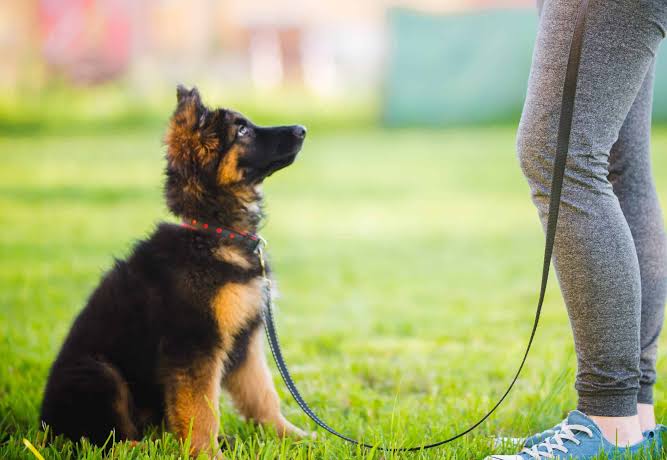
Large breed dogs are known for their loyalty, intelligence, and gentle personalities, but their size also makes training a priority from an early age. A playful puppy that jumps on visitors may seem harmless at first, yet that same behavior can become difficult to manage once the dog reaches 70 pounds or more. Effective dog training for large breed dogs focuses on communication, consistency, and positive reinforcement that builds lifelong habits.
Whether you share your home with a Labrador Retriever, German Shepherd, Golden Retriever, Great Dane, Rottweiler, Bernese Mountain Dog, or another large breed, structured training creates a safer and more enjoyable relationship for everyone. Instead of relying on corrections or force, modern training helps dogs understand expectations while building confidence and trust. Rob’s Dog Training encourages science-based, reward-focused methods that help large breed dogs develop reliable manners while strengthening the bond between dogs and their owners.
Why Large Breed Dogs Need Specialized Training
Every dog benefits from training, but larger breeds present unique challenges because of their physical strength and energy levels. Even naturally friendly dogs can unintentionally create problems if they lack impulse control or basic manners.
Training should begin early, focusing on teaching desirable behaviors before unwanted habits become established. Waiting until a dog becomes physically mature often makes behavioral issues more difficult to change.
Some of the most common challenges include:
- Pulling on the leash
- Jumping on people
- Excessive excitement around guests
- Difficulty remaining calm around distractions
- Poor recall
- Resource guarding
- Overprotective behaviors
- Lack of impulse control
Addressing these behaviors through consistent guidance helps dogs become reliable companions in a variety of situations.
Building Trust Before Teaching Commands
One of the biggest misconceptions about dog training is that success depends on teaching commands first. In reality, successful training starts with building a relationship based on trust.
Dogs learn best when they understand that following guidance leads to positive outcomes. Rather than responding out of fear, they willingly participate because training has become rewarding and predictable.
Owners can strengthen this relationship by:
- Maintaining consistent routines
- Rewarding desired behaviors immediately
- Remaining patient during mistakes
- Avoiding mixed signals
- Practicing short, enjoyable training sessions
Trust becomes the foundation for every new skill that follows.
Dog Training for Large Breed Dogs Begins with Everyday Manners
Basic obedience is only one part of raising a well-behaved large dog. Everyday manners often have a much greater impact on daily life.
Important household behaviors include:
Greeting Visitors Calmly
Large dogs frequently express excitement by jumping. Teaching an alternative behavior such as sitting before receiving attention creates safer interactions for guests.
Waiting at Doors
Door manners help prevent dogs from rushing outside unexpectedly. Waiting calmly before crossing thresholds reinforces impulse control.
Relaxing Around the Home
Many owners unintentionally reward excitement while overlooking calm behavior. Recognizing and rewarding relaxed behavior encourages dogs to settle naturally.
Respecting Personal Space
Teaching dogs to remain on designated beds or wait politely during meals creates structure that benefits the entire household.
Positive Reinforcement Creates Reliable Learning
Modern behavioral research consistently supports positive reinforcement as one of the most effective training approaches.
Instead of focusing on punishment, trainers reward behaviors they want repeated. Dogs quickly learn which choices lead to positive outcomes, making learning enjoyable and reducing stress.
Common rewards include:
- Small food treats
- Favorite toys
- Verbal praise
- Play sessions
- Physical affection when appropriate
Rewards should match each dog’s individual motivation, making training engaging rather than repetitive.
Socialization Builds Confidence
Large breed dogs often attract attention in public simply because of their size. Proper socialization helps them remain calm and confident in different environments.
Healthy socialization introduces dogs to:
- People of different ages
- Other vaccinated dogs
- Various sounds
- New environments
- Different flooring surfaces
- Vehicles
- Veterinary clinics
- Grooming experiences
Socialization should always occur at the dog’s comfort level. Positive experiences create lasting confidence, while overwhelming situations can increase anxiety.
Loose-Leash Walking Makes Daily Life Easier
Walking should be enjoyable rather than exhausting. Unfortunately, leash pulling is one of the most common concerns among owners of large dogs.
Dogs naturally walk faster than humans, so loose-leash walking requires consistent practice rather than physical strength.
Helpful strategies include:
- Reward walking beside you.
- Stop moving when pulling begins.
- Change direction to regain attention.
- Practice in low-distraction environments first.
- Gradually increase difficulty.
Consistency helps dogs understand that staying near their handler allows the walk to continue.
Teaching Reliable Recall
A dependable recall is one of the most valuable skills any dog can learn.
Calling a dog should always predict something positive. If recall only occurs when playtime ends or unpleasant experiences follow, dogs may become less willing to return.
Successful recall training includes:
- Beginning indoors
- Using high-value rewards
- Calling only once
- Celebrating every successful response
- Gradually increasing distractions
Practicing regularly strengthens reliability in real-world situations.
Mental Exercise Is Just as Important as Physical Exercise
Many owners focus exclusively on physical activity while overlooking mental stimulation.
Large breed dogs often thrive when their minds are challenged through structured learning.
Excellent enrichment activities include:
- Puzzle feeders
- Nose work games
- Obedience practice
- Trick training
- Food-dispensing toys
- Scent trails
- Interactive play
Mental engagement often reduces boredom-related behaviors more effectively than simply increasing physical exercise.
Consistency Across the Entire Family
Training progresses much faster when every household member follows the same expectations.
If one family member allows jumping while another discourages it, dogs receive conflicting information.
Creating simple household rules improves consistency.
Examples include:
| Situation | Consistent Response |
| Greeting guests | Sit before receiving attention |
| Feeding time | Wait calmly before eating |
| Walks | No pulling allowed |
| Furniture | Follow household rules consistently |
| Doorways | Wait until released |
Consistency removes confusion and speeds learning.
Addressing Common Behavioral Challenges
Every dog develops differently, but several concerns appear frequently among large breeds.
Jumping
Jumping usually reflects excitement rather than dominance. Teaching dogs to sit before greetings replaces the unwanted behavior with a more appropriate alternative.
Pulling
Loose-leash training should begin immediately rather than waiting until dogs become stronger.
Barking
Dogs bark for many reasons, including alerting, boredom, frustration, or excitement. Identifying the cause allows owners to address the underlying motivation.
Resource Guarding
Early intervention helps prevent guarding behaviors from becoming more serious. Positive reinforcement exercises encourage dogs to develop positive associations with people approaching valued items.
Overexcitement
Teaching relaxation skills helps energetic dogs learn when excitement is appropriate and when calm behavior is expected.
Why Timing Matters in Training
Dogs associate rewards with behaviors occurring immediately before reinforcement.
Even a delay of a few seconds can create confusion.
For example:
- Dog sits.
- Owner waits several seconds.
- Dog stands.
- Reward is given.
The dog may believe standing earned the reward rather than sitting.
Immediate reinforcement creates clearer communication and faster learning.
Training Continues Beyond Puppyhood
Many owners assume training ends after basic obedience classes. In reality, learning continues throughout a dog’s life.
Adult dogs remain highly capable of developing new skills, improving existing behaviors, and overcoming unwanted habits.
Regular practice helps maintain reliability even after dogs have mastered basic commands.
Real-Life Practice Builds Reliability
Dogs often perform perfectly at home yet struggle in public because distractions increase dramatically.
Successful training gradually introduces new environments, including:
- Parks
- Neighborhood sidewalks
- Pet-friendly stores
- Outdoor cafés
- Walking trails
- Busy parking areas
Gradual exposure helps dogs generalize their skills instead of associating training with only one location.
The Importance of Reading Canine Body Language
Understanding body language helps owners respond appropriately before behaviors escalate.
Signs of relaxation include:
- Loose posture
- Soft eyes
- Relaxed tail movement
- Calm breathing
Signs of stress may include:
- Lip licking
- Yawning
- Turning away
- Stiff posture
- Whale eye
- Pacing
Recognizing these signals allows owners to adjust situations before dogs become overwhelmed.
Working with Professional Trainers
Professional guidance often accelerates progress while helping owners avoid common mistakes.
Experienced trainers can evaluate:
- Learning style
- Motivation
- Environmental influences
- Behavioral history
- Training consistency
Customized instruction often produces more efficient and lasting results than relying solely on online advice.
Maintaining Progress for Life
Successful training is not about perfection. Instead, it focuses on building habits that become part of everyday life.
Owners can maintain progress by:
- Continuing short practice sessions
- Rewarding good choices regularly
- Introducing new challenges gradually
- Keeping training enjoyable
- Staying consistent with expectations
Dogs continue learning through every interaction, making daily routines valuable training opportunities.
Final Thoughts
Effective dog training for large breed dogs goes beyond teaching obedience commands. It develops communication, trust, emotional stability, and practical life skills that make everyday experiences more enjoyable for both dogs and their families. Through positive reinforcement, thoughtful socialization, mental enrichment, and consistent expectations, owners can help large breed dogs become confident, well-mannered companions that thrive in a variety of environments.
For those seeking professional guidance, Rob’s Dog Training helps owners build lasting relationships with their dogs through science-based training methods that encourage confidence, cooperation, and reliable behavior for every stage of life.